Tampilkan postingan dengan label construction work bridge. Tampilkan semua postingan

Senin, 17 Juni 2013

How to avoid hazards, safely boat through the bridge work zone

From ODOT-


I hope you are looking forward to summer as much as I am!


Many of you may be enjoying it on the water.  Here is some advice for safely boating or floating down the river and through the construction zone of the I-5 Willamette River Bridge project.


It might look like you can pass under the work bridge in any location. However, the combination of strong currents, pilings in the river and trapped or floating debris in the work zone creates tricky hazards.


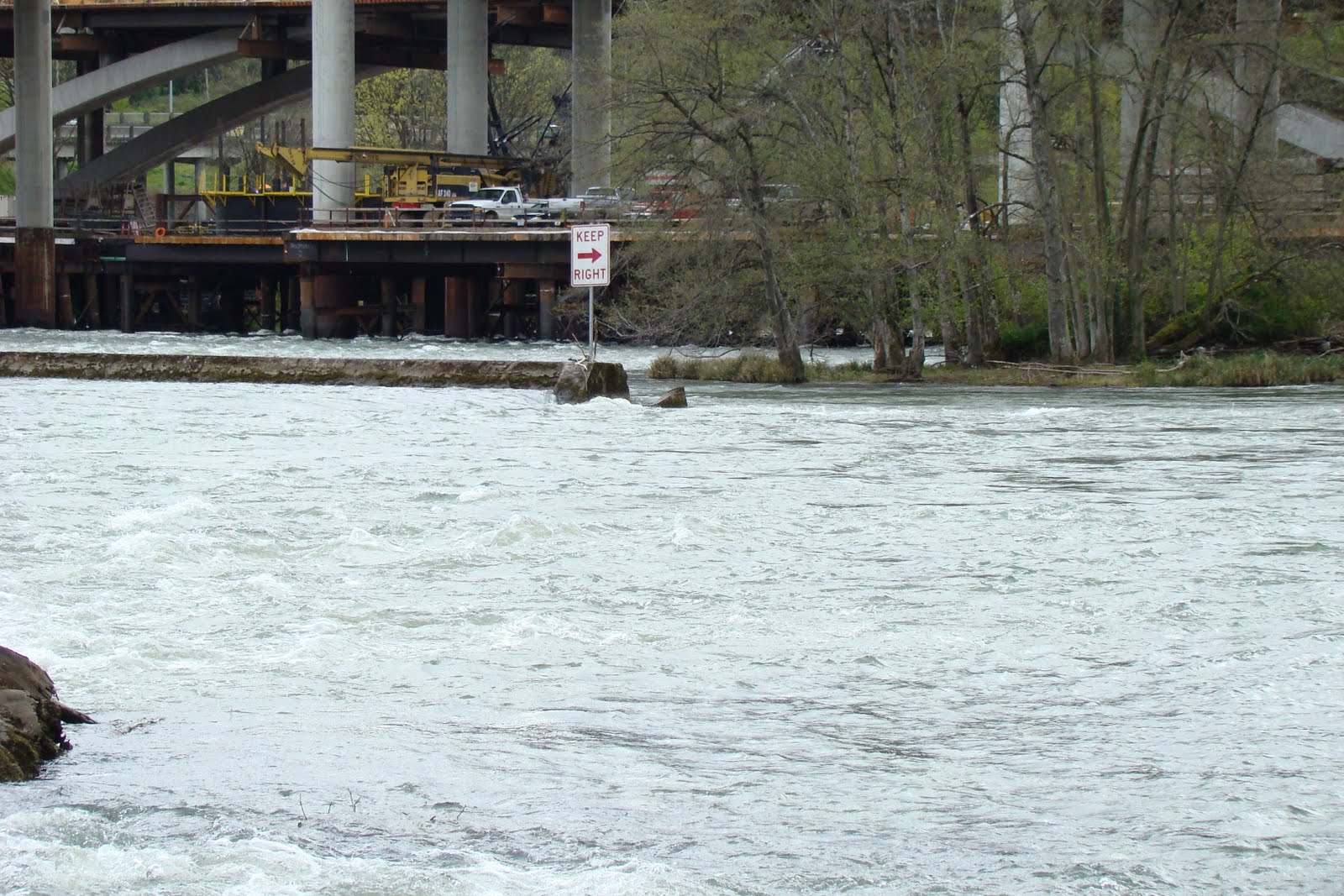
If you enter the river upstream, east of the bridge, please keep to the right bank along the north side of the river to pass through the work zone at the designated safe place. Our crews maintain this channel to keep it clear of debris and snags for safe passage under the bridge. 


Look for signs on the work bridge and along the right bank channel to direct you. Boaters will also find informational signs at put-in areas upstream of the bridge.


A sign in the Willamette River (far left) directs a boater to the safe channel


A sign at the D Street boat ramp cautions boaters that they are entering a construction zone


And please, always wear a life jacket regardless of how experienced a boater or how strong a swimmer you are. River currents can be unpredictably strong and spring snowmelt makes for shockingly cold water, even on hot days.


We are committed to keeping river users safe in our project area, and with your help we can have another incident-free boating season.


Selasa, 25 Oktober 2011

Keeping the river environment healthy

From ODOT-

When the original Willamette River Bridge was constructed between 1959 and 1961, workers built diversion dams and filled portions of the river to provide access to the work-site and to capture debris from the construction. Today, with much more knowledge, we understand the environmental impacts on the river from construction and have plans in place to limit them.


Traveling on Franklin Boulevard or on nearby pedestrian paths, you will see the machinery tearing down the temporary detour bridge. However, you may not notice what our contractor built to protect the river and use as a work platform, just as they did for the southbound bridge work in 2009.


Directly under the detour bridge, 10 feet above the river’s ordinary high-water level and covering almost 120,000 square feet, is the work bridge. To build the work bridge we first drove steel piles into the river, connected them with large steel beams and then added a work surface of large timbers and plywood. The surface is sealed with an impermeable plastic layer, capturing any runoff and carrying it through pipes to an offsite treatment system before the water is released.


Workers will place sand on the work bridge to cushion large pieces that fall during demolition, but will remove it afterward to keep it from clogging the drainage system.


The work bridge is strong enough to support heavy equipment used in demolition and construction, large enough to capture falling debris from demolition of the temporary bridge and secure enough to build the wooden forms, or falsework, needed to create the new bridge arches.


We are pleased our efforts to protect the river are successful, while at the same time allowing for efficient construction of the new bridge.


Jumat, 22 April 2011

Floating Past the Bridge Project

From ODOT- I am out on the Willamette River Bridge construction project a great deal, especially on the work bridge. Every time I cross the work bridge, I can’t help but look up and down the river to see if boaters are floating by. Especially with warmer weather, it is not unusual to see people fishing or boating. Later in the spring and summer, others will just float the river on their inner tube to cool off on the hot days.

If you boat or float near the Willamette River Bridge, please remember that you are in a construction zone and passing through requires more attention to be safe.

If you enter the river east of the bridge and float under the bridge, signs in the river direct you to the correct channel and where to cross under the work bridge. Keeping to the right bank, or the north side of the river, is important to pass under the work bridge at the designated safe place. It might seem like you could pass under the work bridge in other locations. However, the combination of the current, pilings in the river, and trapped or floating debris in the river create additional hazards.

For many of you, the arrival of spring means the chance to enjoy the river. We have marked a safe passage under the work bridge. Please use it and stay safe.


Signs point river users to the correct channel to safely pass under the bridge construction.


Senin, 28 Maret 2011

A less noticed bridge across the Willamette

From ODOT- When the original Interstate 5 bridge was built in 1962, the contractor filled part of the river with rock, providing a platform to drive onto and build the bridge. We have since learned a great deal about the effects of construction on waterways and wildlife since then. Now, we strive to prevent or limit impacts.


This time, we built a work bridge across the river. It is more than two acres in size. The deck of the work bridge is 10 feet above the high water mark, protecting it from spring runoff. A drainage system catches all rain runoff and treats it before it is discharged into the river.


The work bridge supporting construction work and the new arches.


The bridge allows large cranes and other construction equipment to be positioned over the river during construction and demolition. During demolition of the original Willamette River Bridge, the work bridge captured all the debris, keeping it out of the river. The work bridge is also a platform in which to build the supports and falsework necessary to pour the arches and other bridge parts. Construction activity continues at all times with no affect on the river and wildlife.


Approximately 1.3 million board feet of lumber and 15 million pounds of steel were used to build the work bridge. Construction of the work bridge required driving 24-inch steel piles into the ground, connecting the piles with 36-inch steel beams, building a deck on top of the beams with large wooden 12-inch by 12-inch timbers, sealing with a plastic material, and covering with 1 1/8-inch thick plywood creating a smooth work surface. All the material will be recycled when the project is complete.